PPF Journal · Care
Why does PPF turn yellow?
Paint protection film discolors when its polyurethane, its adhesive or the UV stabilizers inside them break down under ultraviolet light, sustained heat, harsh chemicals or age. A film built on aliphatic polyurethane and looked after properly should not visibly yellow early. When a clear bra does turn yellow early, the cause is usually the material, or it is not yellowing at all, just dirt at the edges. That takes five minutes to check.
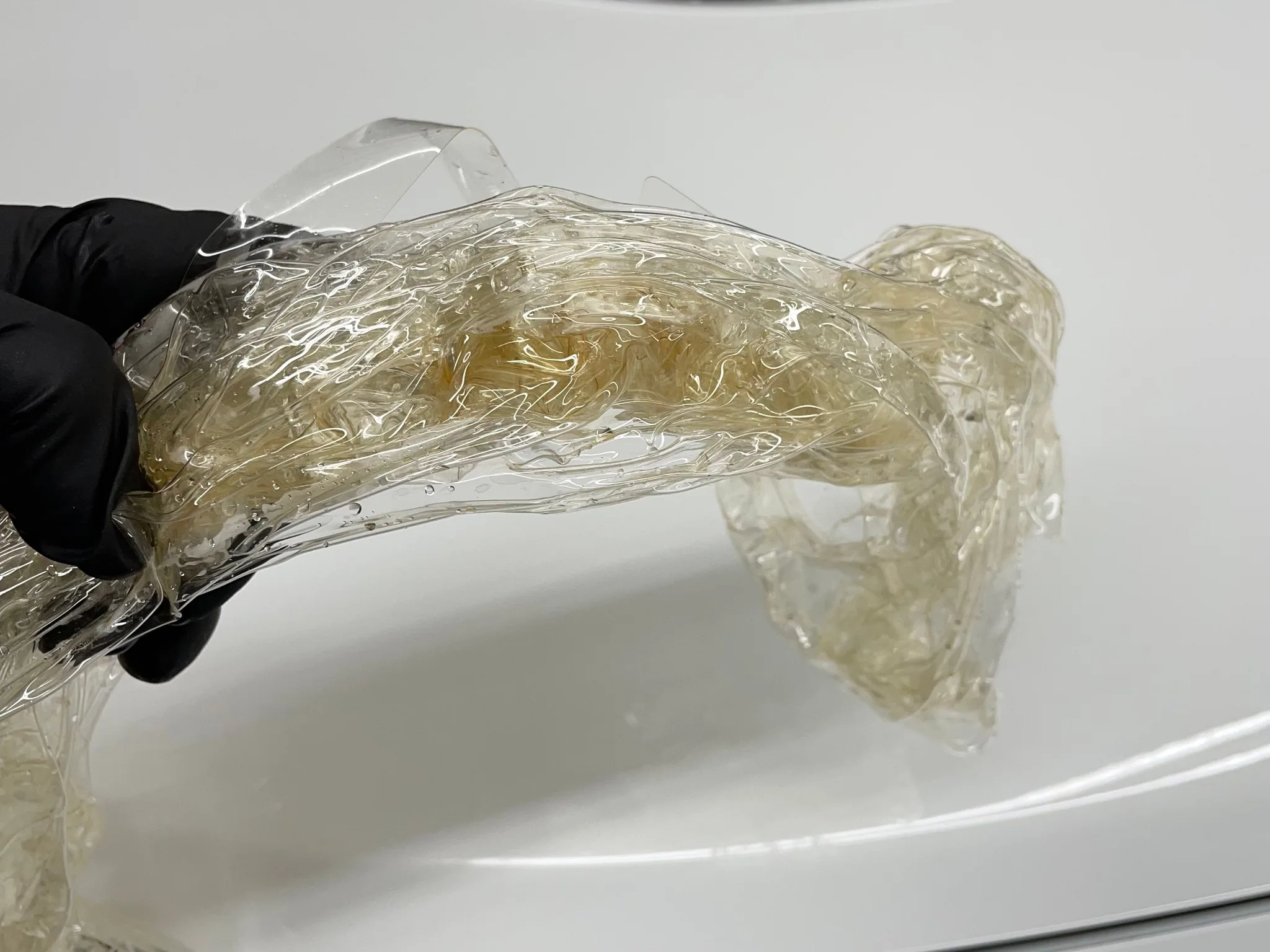

By Vadim Nedelenko, founder of HAUT
The causes
Why does PPF turn yellow? Five causes
If you have noticed a clear bra turning yellow on a white, silver or light-colored car, it rarely comes from one thing. These five drive PPF yellowing on real cars.
1. The film material
The core of any paint protection film is its polyurethane layer, and polyurethane comes in two chemical families: aromatic and aliphatic. Aromatic polyurethane is cheaper to make, but its structure absorbs ultraviolet light and darkens toward amber when it sits in the sun.
Clear film meant for paint should be built on aliphatic thermoplastic polyurethane (TPU), because its structure resists UV breakdown. Within aliphatic films, the resin formulation and its UV absorbers and light stabilizers (HALS), in the film and in the top coat, decide how long the film stays neutral in constant sun. A weaker stabilizer package shows over time. How the layers of a film work together is on our film technology page.
2. The adhesive layer
Most people assume only the outer film changes color, but the pressure-sensitive adhesive underneath can yellow on its own. An automotive PPF adhesive has to bond to clear coat for years and still release cleanly when the film comes off, and that balance takes crosslinking. Some formulas also add tackifying resins, which are prone to yellowing.
If the adhesive is not stabilized well enough against UV, or breaks down under heat, the glue layer takes on a warm, yellowish cast. On dark paint a slight shift in the adhesive is almost invisible. On white or pearl paint, that thin layer sits directly over a bright background and stands out immediately.
3. Heat on dark panels
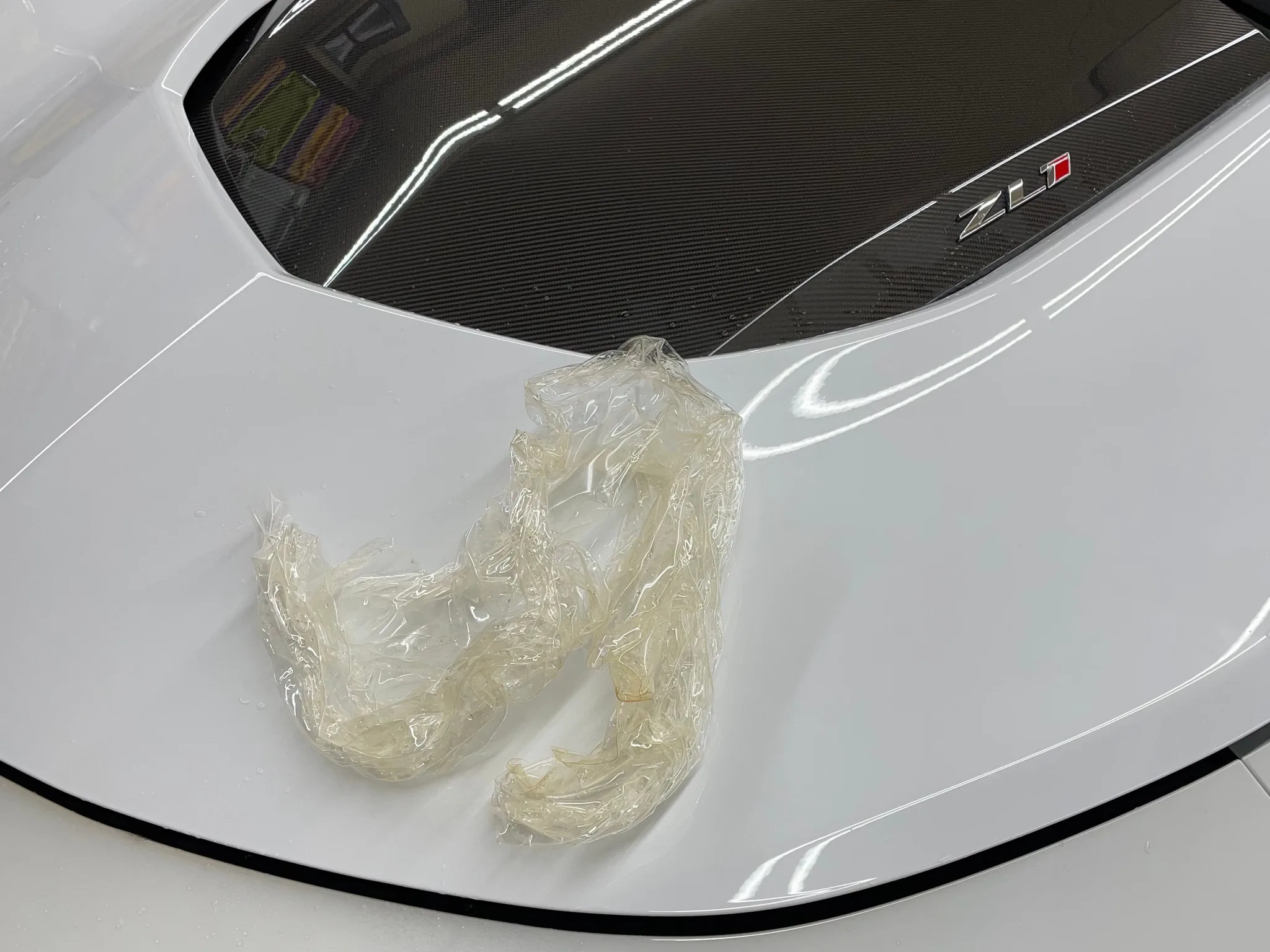
Ultraviolet light gets most of the blame, but heat ages polyurethane and acrylic adhesive on its own. A dark hood parked outside in summer gets hot enough that you can't keep your hand on it, and engine heat keeps rising through it after the car is parked.
Sustained high temperatures speed up oxidation in the polymer and use up the stabilizers that keep the film clear. A car parked outdoors year-round in a hot, sunny climate, or one that sees track days, puts far more heat into its film than a garaged daily driver.
4. Harsh chemicals and solvents
What touches the film matters as much as sun and heat. High-pH pre-soaks at automatic washes, strong degreasers, bug-and-tar removers built on petroleum distillates, and solvents used to wipe off adhesive residue can attack the top coat and work into the polyurethane.
Once the top coat is stripped or swollen, contaminants and UV reach the softer polyurethane underneath much faster. Organic fallout does damage too: bird droppings, tree sap and baked-on bugs carry acids and enzymes that stain the top coat yellow or brown if they sit in the sun.
5. Age and formulation
Every protective polymer ages; formulation decides how fast.
An aromatic base, or a thin stabilizer package, yellows sooner than a well-stabilized aliphatic film. On install day the two look identical; the difference shows after a few summers, or in a controlled laboratory weathering test. Here is how PPF yellowing is actually tested, and what separates measured weathering performance from guesswork.
Check first
Is it yellowing, or dirt at the edges?
Before you decide the film has failed, look at the borders. Many of the yellow edges installers get asked about are not yellowing of the film at all.
Film has a physical thickness, so every exposed edge makes a small step on the panel. Over months of driving and washing, road film, brake dust, iron particles and wax or polish residue collect along that step. On a white or light grey bumper, a thin line of trapped grime looks exactly like a yellow border from three feet away.
You can tell which one you have in five minutes:
- Wash the area normally with a pH-neutral car shampoo and a soft microfiber mitt to take off loose dirt.
- Clean along the edge gently. Wrap a clean microfiber towel around a fingertip, mist it with a quick detailer, and wipe from the film out onto the paint, never from the paint toward the edge, which can lift it. Keep solvents and alcohol away from the edge.
- Check the towel and the border.If dark residue comes off on the towel and the yellow line fades or disappears, the film is fine. It was buildup along the edge. If a thin dark line stays, it is often dirt bonded into the adhesive at the edge. Don’t scrub it; show your installer.
If the edge wipes clean but the whole piece still looks warmer or more amber than the uncovered paint next to it, the color is inside the film or the adhesive. Take the car back to the shop that installed it and have them look at it.
Can it be fixed
Can yellow PPF be fixed?
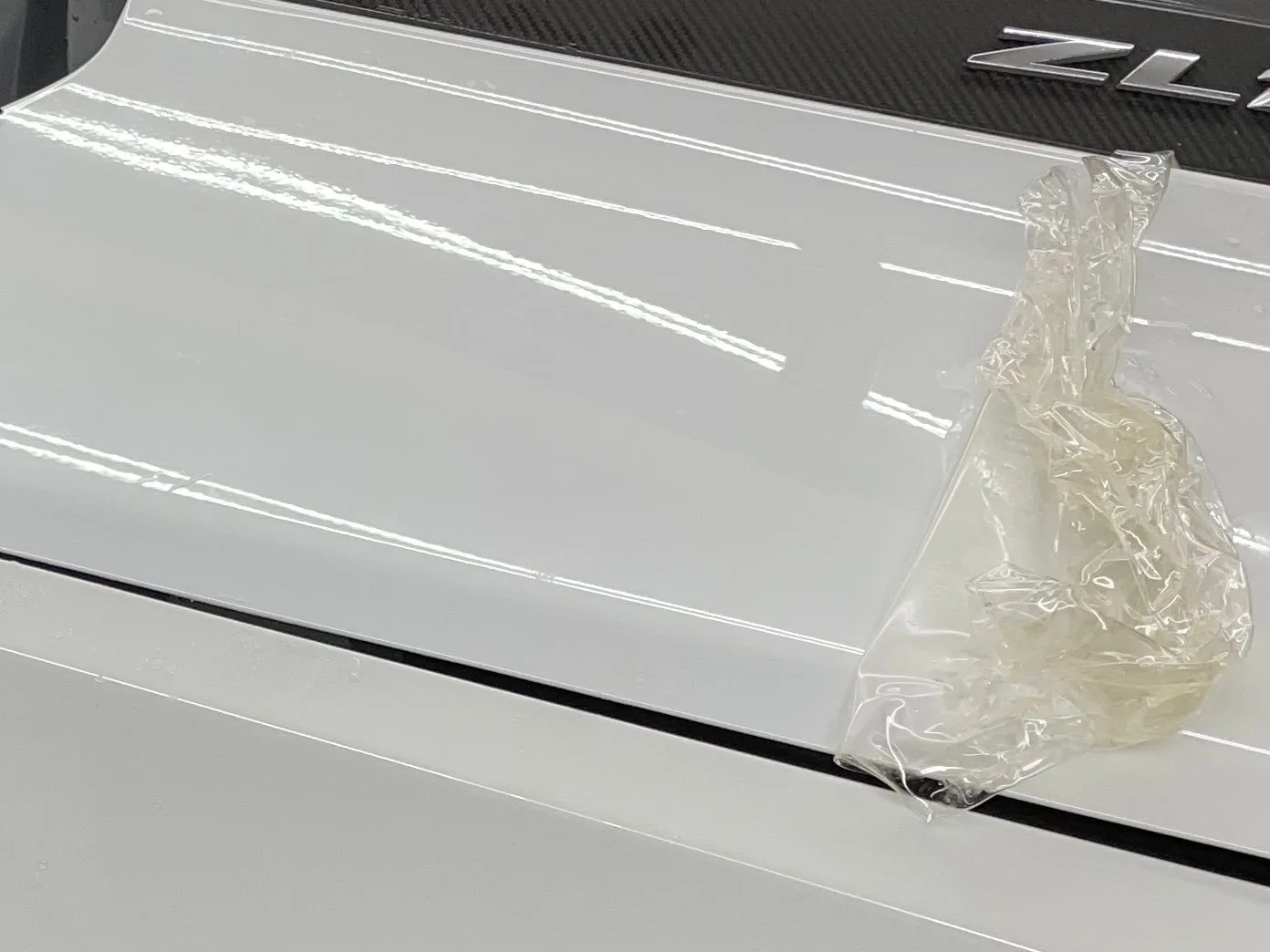
No. Once the polyurethane or its adhesive has yellowed from UV, heat or chemical damage, you cannot wash, bleach or polish the color out.
Compounding or machine polishing only abrades the top coat, the thin outer layer responsible for gloss and self-healing. The yellowing sits deeper, in the polyurethane and the adhesive under it, so polishing will not bring back clarity and can strip what is left of the top coat. Bleach, magic erasers and strong solvents will dull or craze the surface for good.
The only real fix is removal and replacement. A trained installer warms the panel to soften the adhesive, peels the old film off without pulling clear coat, cleans any residue and installs new film. If the film yellowed early and a certified shop installed it, check the warranty before you pay for replacement: photograph it in daylight and email warranty@haut-usa.com within 30 days of noticing it. Your installing shop takes part in the inspection.
Prevention
How to prevent PPF yellowing
It comes down to choosing the right film before the install and avoiding a few common mistakes after it.
- Choose an aliphatic film with published test data. Do not go by sales claims or lamp videos. Ask for a technical data sheet that names the weathering method, the exposure hours and an instrument-measured change in yellowness index. Our article on how PPF yellowing is actually tested has a five-point checklist for reading any brand’s numbers.
- Wash with a pH-neutral shampoo. A pH-balanced soap cleans road grime without wearing down the top coat. The full routine is on our PPF care page.
- Keep solvents and harsh degreasers off the film. No petroleum-based tar removers, abrasive polishes or strong acid or alkaline wheel cleaners on filmed panels. Rinse off bird droppings, bugs and sap before the sun bakes them in.
- Have the film installed by a certified shop. Proper prep, clean wrapped edges and a registered install mean that if a material defect ever shows up, there is a record and a warranty behind the job.
HAUT™
How HAUT handles yellowing
HAUT paint protection film is built on aliphatic TPU with a crosslinked acrylic adhesive and a self-healing top coat, and it is installed only by certified shops. Film installed by a certified shop carries a 10-year limited warranty that covers premature yellowing, cracking, blistering and delamination.
We spent six years installing HAUT film on customer cars through a closed network of partner shops before selling a single roll—and we still install it daily in our New Jersey flagship studio, with zero warranty yellowing claims.
The weathering numbers behind our films, and how a standardized laboratory test works: How PPF yellowing is actually tested →
Questions about yellow PPF
Clear film, installed by certified shops
Every HAUT film has the same 10-year limited warranty when a certified shop installs it.