Skip to content
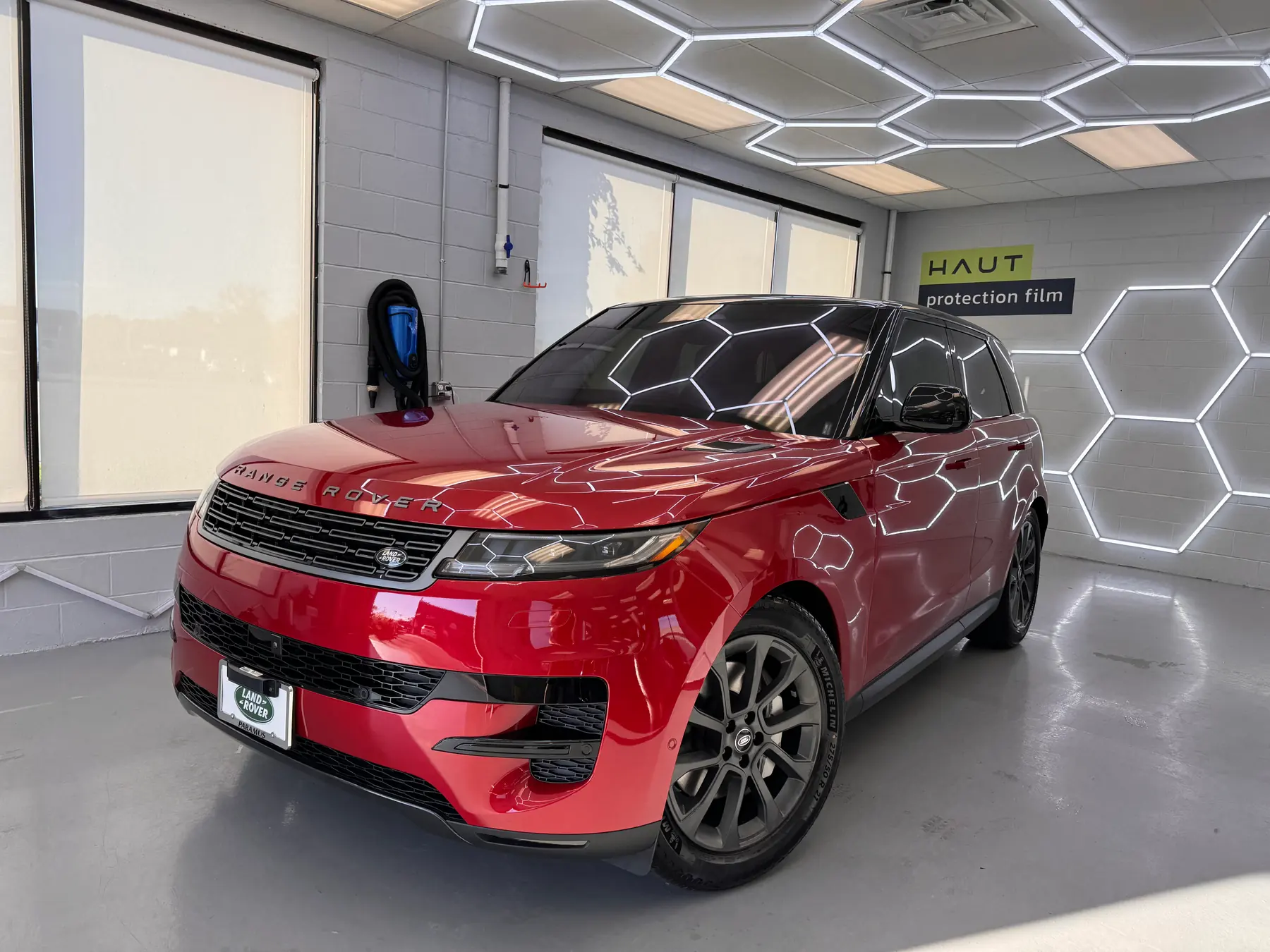
Film being fitted to the front end of a red Range Rover Sport

Coverage

PPF coverage: which panels get wrapped

Every shop sells packages with the same four names and slightly different contents. This page lists the panels behind each one, and why each panel is on the list — so you can ask for a panel list instead of a package name.

Common coverage packages
4
Panels in the matrix
20
Panel that takes the most hits
1
Warranty, whatever you cover
10 yr

The four packages

How you drive decides how much to cover

Each package exists because a different kind of driving produces a different kind of damage. Match the package to how the car is actually used and the decision makes itself.

01

Partial front

Bumper, the leading section of the hood and fenders, and mirror caps — the panels that take the overwhelming majority of stone strikes.

Best for
A budget that has to cover the highest-risk panels and nothing else.
The trade-off
Cheapest real protection there is, and it leaves a visible film line across the hood that you will be able to find in direct sun for as long as you own the car.
02

Full front

Full bumper, full hood, full fenders, mirrors and headlights, with the film wrapped around the panel edges instead of cut on the face.

Best for
Most cars, most owners. It is the default job in a PPF shop for a reason.
The trade-off
No line across the hood and nothing left uncovered at the front — but the rockers, A-pillars and the areas behind the wheels are still bare paint.
03

Track pack

Full front plus the surfaces debris reaches once the car is moving quickly: rocker panels, A-pillars, roof leading edge, and the paint behind each wheel.

Best for
Track days, canyon roads, gravel driveways, and anything driven fast on an open highway.
The trade-off
Covers the damage pattern a full front misses entirely, at meaningfully less than a full body wrap.
04

Full body

Every painted panel on the car, wrapped at the edges.

Best for
A car that is being kept, a car that is rare, or a finish that cannot be polished.
The trade-off
The only coverage that protects resale value across the whole vehicle, and the only one that makes sense on matte or satin paint, which cannot be corrected once it is marked.

Panel by panel

Every panel, in every package

“Optional” means the panel is commonly quoted as an add-on at that level rather than bundled in. Ask for it by name and it goes on the quote.

Quote this list
Paint protection film coverage matrix: which panels are included, optional or not covered in a partial front, full front, track pack and full body wrap.
PanelPartial frontFull frontTrack packFull body
Front bumperTakes more impacts than every other panel on the car combined.IncludedIncludedIncludedIncluded
Hood — leading edgeThe first 18 to 24 inches, where stones lifted by traffic land.IncludedIncludedIncludedIncluded
Hood — full panelRemoves the film line and covers the whole surface that faces forward.IncludedIncludedIncluded
Front fenders — partialThe forward section, ahead of the door shut line.IncludedIncludedIncludedIncluded
Front fenders — fullWhole panel, wrapped at the arch and the shut line.IncludedIncludedIncluded
Mirror capsConstantly sandblasted and almost always painted body color.IncludedIncludedIncludedIncluded
HeadlightsPolycarbonate hazes and pits far faster than paint, and cannot be repainted.OptionalIncludedIncludedIncluded
Fog light and intake surroundsLow, forward-facing and directly in the debris stream.OptionalIncludedIncludedIncluded
A-pillarsAirflow carries grit straight up the windscreen and over the pillar.OptionalIncludedIncluded
Roof — leading edgeSame debris path as the A-pillars, and the panel nobody inspects until it is chipped.IncludedIncluded
Rocker panelsEverything the front tire throws lands here, including salt and stone chips.OptionalIncludedIncluded
Behind the wheelsThe forward edge of each rear panel, hit constantly and rarely covered.OptionalIncludedIncluded
Door cups and handle recessesFingernail and key damage, on the one part of the car every passenger touches.OptionalOptionalIncludedIncluded
Door edgesWhere the paint chips against a wall, a bollard or the car in the next bay.OptionalOptionalIncludedIncluded
Rear bumper top and loading lipScuffed every time something is loaded into the trunk.OptionalOptionalIncludedIncluded
Full doorsDoor dings, car park damage and wash swirls across the largest visible surfaces.Included
Quarter panelsRear arches take stone damage from the front tires at speed.Included
Roof — fullUV, tree sap and bird acid, on the panel that receives the most direct sun.Included
Trunk lid or tailgateLoading damage, and the panel most often marked by a badly folded cover.Included
Rear bumper — fullParking contact and the spray thrown forward by the car behind.Included

This matrix describes how the trade generally specifies these packages. It is not a HAUT price list and not a contractual definition — shops bundle panels differently, and what your car gets is settled on the quote. Use it to name the panels you want.

Ask for a panel list, not a package name. It is the only version of the question that gets the same answer from two different shops.

How to compare two PPF quotes

Edges

The edges are what goes wrong a year later

Two installs of the same coverage on the same car can look completely different a year later, and the difference is almost always the edges.

Wrapped edge

The film continues around the panel edge and terminates on the reverse, where nothing sees it and nothing catches it. It takes longer, uses more film, and is the reason a good full front has no visible line anywhere.

Bulk cut

The film is trimmed on the face of the panel, a few millimeters in from the edge. Fast, and acceptable where an edge physically cannot be wrapped — but every bulk cut is a line that collects dirt and can lift.

Cutting on the car

Trimming film with a blade against painted metal. It is quick, and it is how paint gets scored under a film that was supposed to protect it. Every certified HAUT shop plotter-cuts from the pattern instead.

The order of work

What happens between the quote and the warranty

  1. 01

    Agree the panel list

    Not the package name. Write down which panels are covered and which edges are being wrapped, and both sides know what was bought.

  2. 02

    Prepare the paint

    Wash, decontaminate and, where it matters, correct. Film is optically clear — a swirl left under it stays visible and cannot be polished until the film comes off.

  3. 03

    Cut and install

    Panels are plotter-cut from the pattern for your exact vehicle, then wrapped. A full front is typically a day; a full body is several.

  4. 04

    Register the coverage

    Your installer hands you the job details, you register online in about two minutes, and 10 years of coverage is on file against the vehicle rather than a receipt in a drawer.

Pricing depends on the vehicle, the panel list and the shop. A certified installer quotes from the real pattern for your car, so the number you are given is based on the actual cut rather than an estimate.

On the car

Coverage, installed

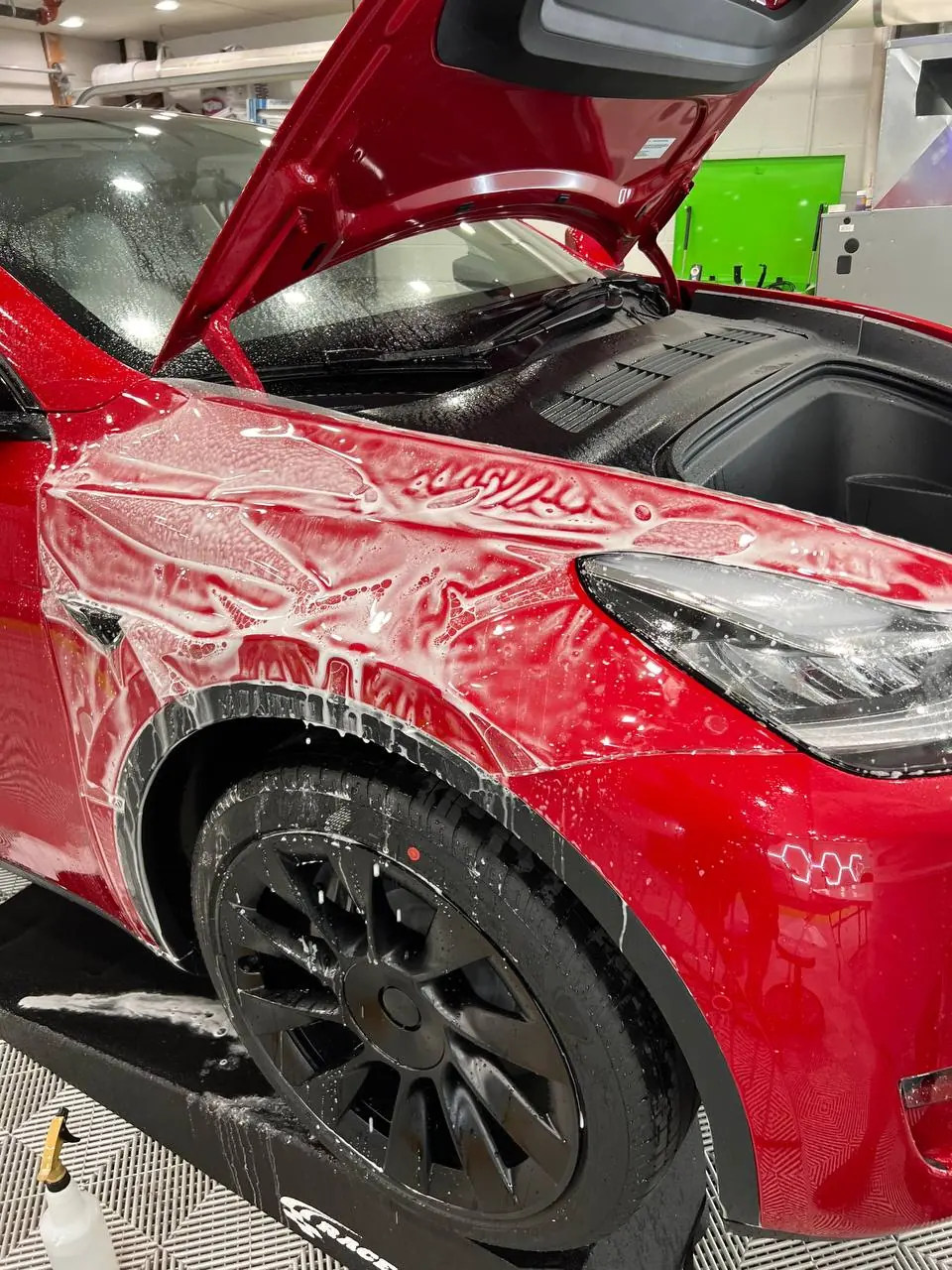
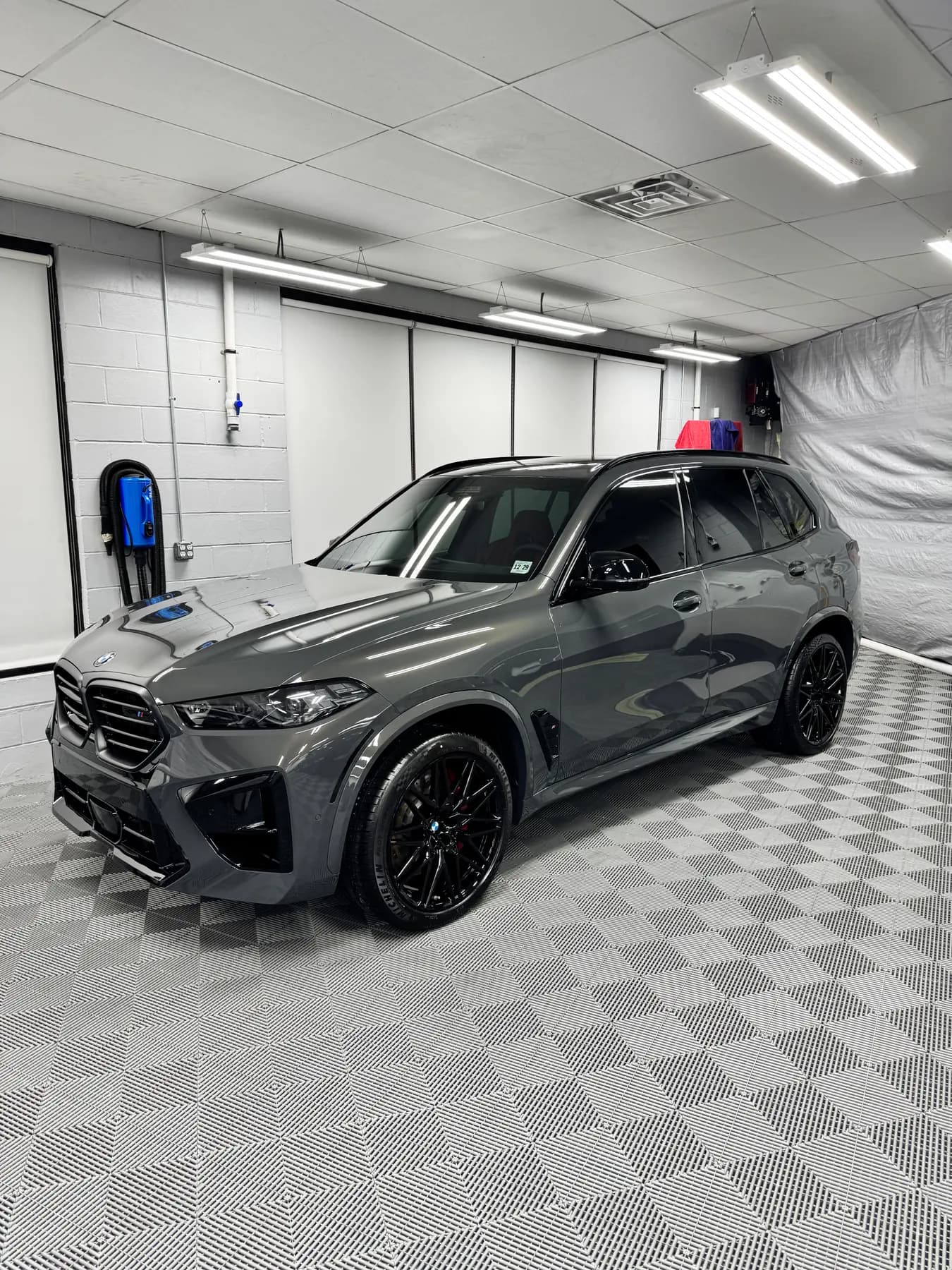
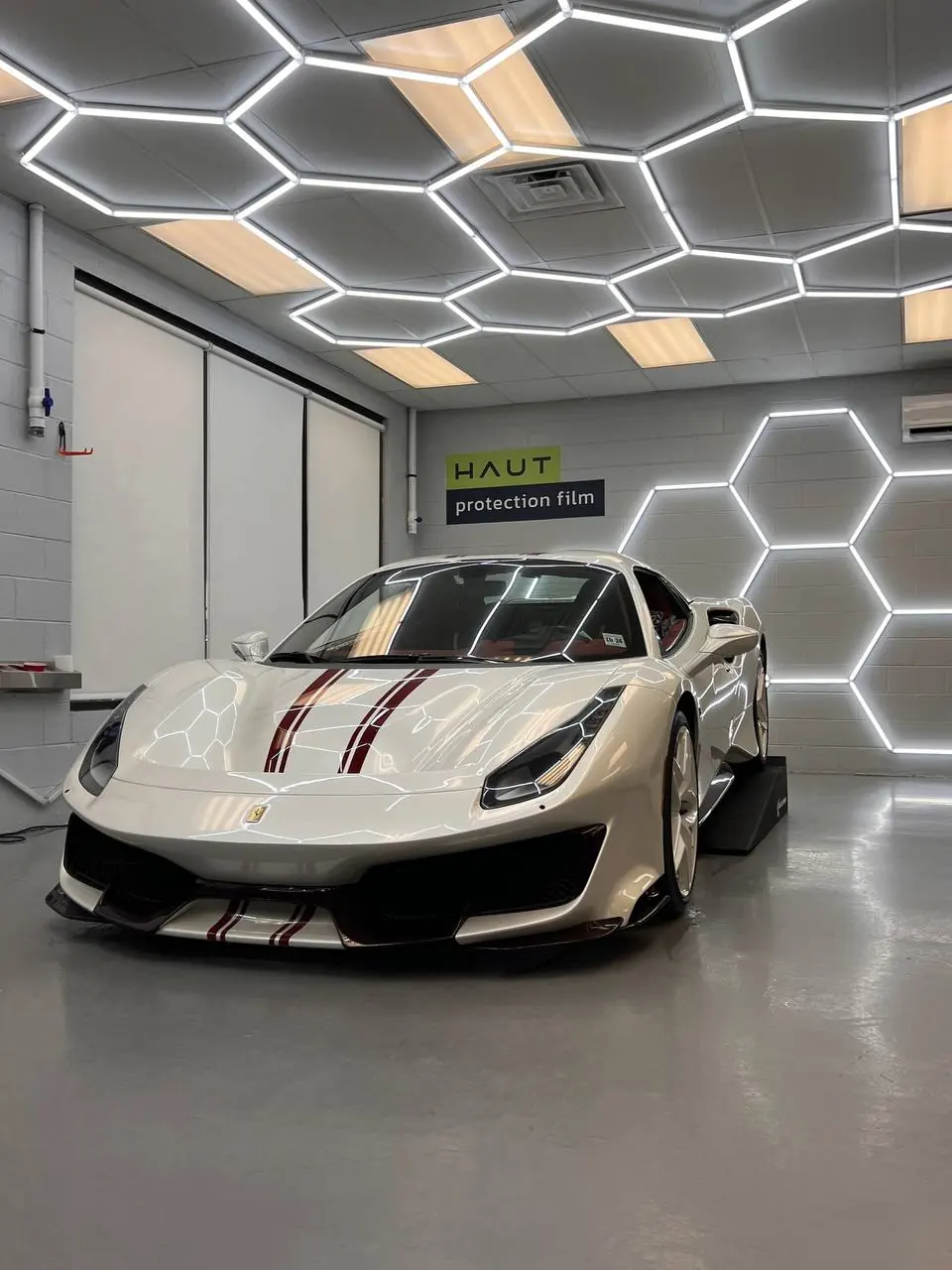
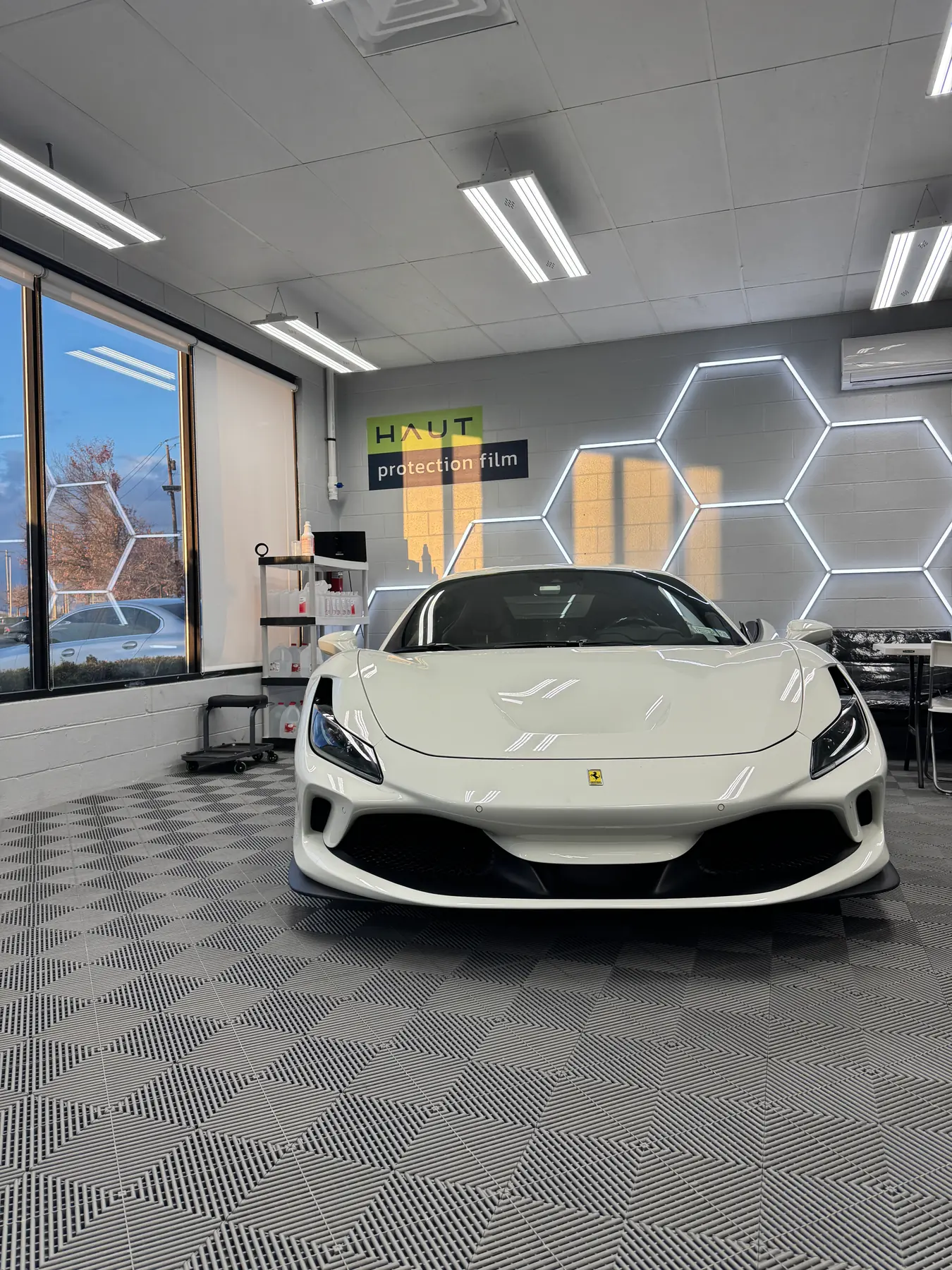
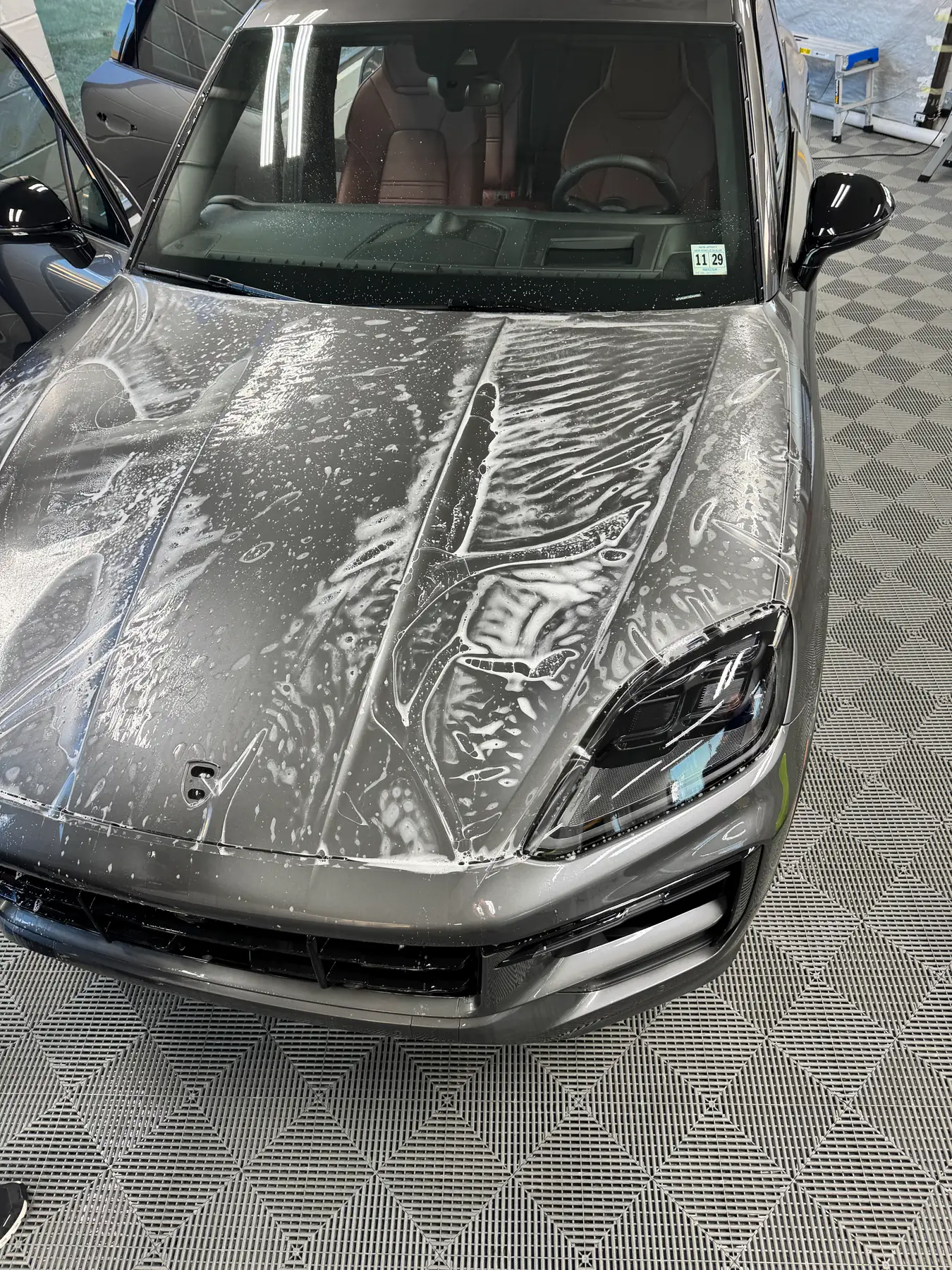
Customer cars photographed in the bay. On a wrapped edge there is nothing to point at — which is the whole idea.

Find a shop near you
Paint protection film squeegeed across the bonnet of a Porsche Cayenne
Paint protection film being wet-laid over the front end of a red Tesla Model Y
Film being fitted to the front end of a red Range Rover Sport
Grey BMW X7 in the install bay
White Ferrari 488 Pista under the hex lighting of the install bay
White Ferrari Roma in the install bay

Coverage, answered

Get your panel list quoted

Decide the panels here, then have a certified shop price the real cut for your vehicle.